
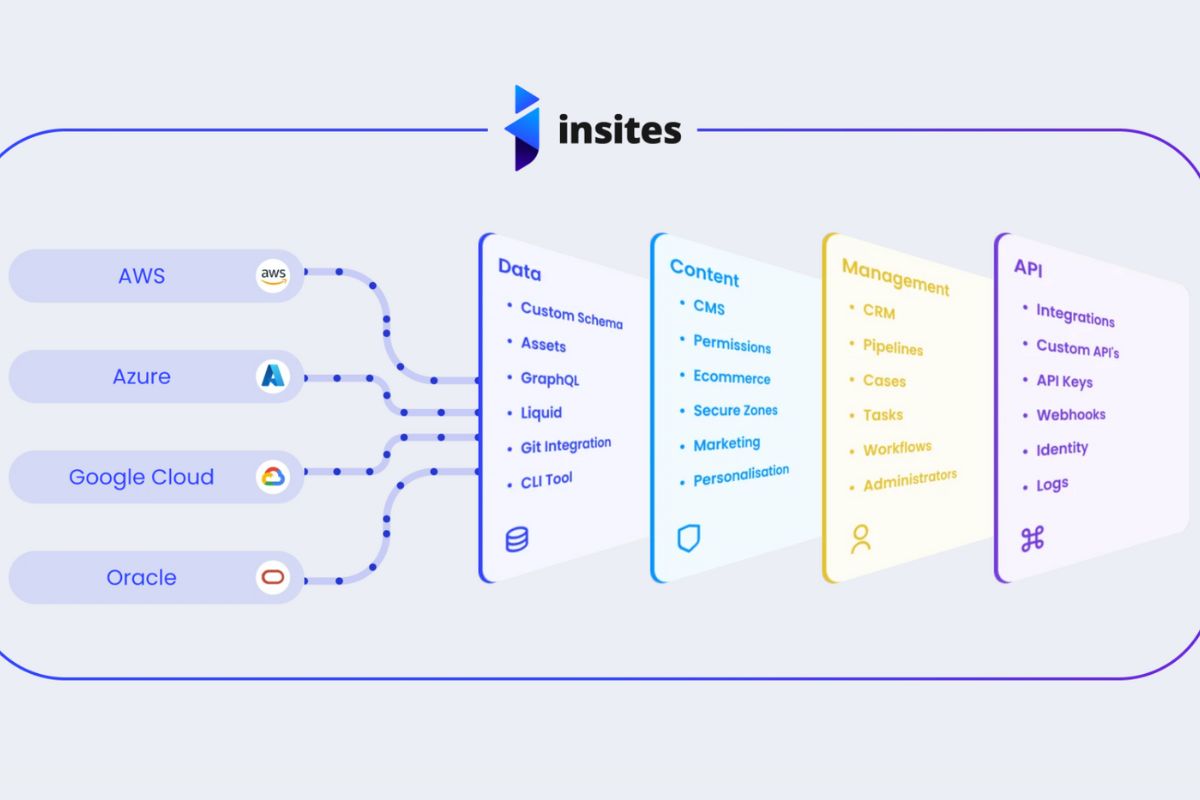
In a competitive SaaS landscape dominated by familiar enterprise platforms, it’s tough for a new entrant to break through, especially one aiming to simplify and centralize the web application development process. But that’s exactly what Shane McGeorge set out to do with Insites, a development platform built to streamline the way agencies build, manage, and scale web applications.
“Insites is a development platform to create web applications,” Shane explains. “It has a suite of integrated business tools, so you only need one platform instead of several.”
Where most platforms require agencies to stitch together multiple systems to manage workflows, users, and tools, Insites provides a unified experience. However, it’s not just about reducing software sprawl; it’s about enabling smoother collaboration and greater scalability for development agencies working on complex client projects.
The Idea Born from Frustration
The idea behind Insites didn’t come from a boardroom brainstorming session; it came from real-life, hands-on experience. Shane ran a digital agency for over 15 years and constantly ran into the same roadblocks.
“We had to hack at website platforms to create web applications, and enterprise platforms cost too much,” he recalls. “We also needed multiple systems stitched together, so we designed a system to make the overall design, development, and scale process easier.”
That direct exposure to the pain points gave Shane the clarity to spot the gap in the market. Instead of continuing to duct-tape solutions together, he envisioned a better, more cohesive way forward, one that would give developers and business users more autonomy without sacrificing structure or reliability.
Listening to Users from Day One
From the outset, Shane focused on one guiding principle: build alongside the people who would actually use the product.
“Working closely with development agencies to ensure we are building the features for actual projects they have,” he says, has been key to Insites’ evolution.
That user-first approach allowed Insites to grow quickly and stay tightly aligned with real-world needs. It also led to one of its most compelling features: no feature locking based on pricing tiers.
“No feature lock; pricing is based on scale,” Shane notes.
This pricing model stands in contrast to many larger platforms that gate important functionality behind higher price points, often leaving smaller teams or growing agencies at a disadvantage. The simplicity and transparency of Insites' model have helped foster strong customer loyalty.
“Churn is very low, and we became financially viable within a year,” Shane adds.
Facing the Goliaths
Even with a strong product and loyal user base, Insites operates in the shadow of massive enterprise players. Competing with the likes of Salesforce and HubSpot is no small feat.
“Continual growth and taking the battle up with the large enterprise companies... businesses feel safer with brand-name systems,” Shane admits, “even if they don’t provide a better experience or ROI.”
Brand recognition still holds considerable sway in software procurement. Convincing businesses to trust a newer platform, no matter how innovative, requires not just a better product but a clear and consistent strategy. For Insites, that strategy is simple: keep delivering real value and empower agencies with the tools they need to succeed.
Looking Ahead
Insites is still growing, and Shane remains focused on refining the product and expanding its reach. The vision hasn’t changed: to equip development agencies with a powerful, cohesive toolset that removes complexity, rather than adds to it.
If you’re part of a development agency tired of juggling multiple tools or dealing with rigid, overpriced enterprise software, Insites might be the platform you’ve been waiting for. You can learn more or connect with Shane and the team on LinkedIn, or reach out directly at [email protected].
As Shane McGeorge’s journey shows, solving your problem is often the best way to start a SaaS, and listening closely to your users is how you turn that solution into something scalable.